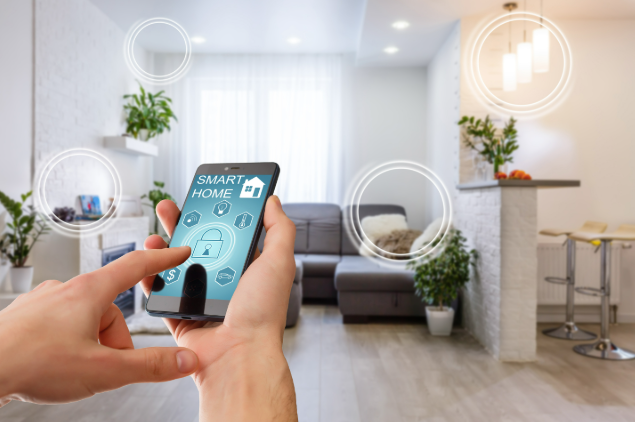
The rise of smart home technologies reflects a significant shift in consumer preferences towards convenience and efficiency. Voice assistants, smart thermostats, and security systems are becoming commonplace, reshaping daily routines. This transformation is fueled by advancements in connectivity and a growing emphasis on sustainability. However, as integration expands, various challenges must be addressed. Understanding these dynamics is crucial for navigating the evolving landscape of home automation and its broader implications. What lies ahead in this rapidly changing environment?
The Factors Fueling Smart Home Adoption
As consumers increasingly prioritize convenience and efficiency in their daily lives, several key factors are driving the rapid adoption of smart home technologies.
Consumer demand for seamless integration and control fuels the development of innovative solutions.
Moreover, technological advancements in connectivity and automation empower homeowners to enhance their living spaces, creating environments that reflect their desire for freedom and personalization in everyday experiences.
Innovations Shaping the Future of Smart Homes
The rapid evolution of smart home technologies is driven by a wave of innovative solutions that promise to redefine the way individuals interact with their living spaces.
Voice assistants are becoming integral for seamless control, while advancements in energy management systems empower homeowners to optimize consumption.
These innovations enhance convenience, promote sustainability, and offer users greater autonomy in crafting their ideal living environments.
See also: The Rise of Serverless Computing
Key Benefits of Integrating Smart Technologies
Integrating smart technologies into homes offers a multitude of benefits that enhance both daily living and long-term sustainability.
Key advantages include improved energy efficiency, allowing homeowners to reduce utility costs while minimizing environmental impact.
Additionally, enhanced security features provide peace of mind through advanced monitoring and control.
Together, these elements empower individuals to create safer, more efficient living environments that align with their freedom-oriented lifestyles.
Challenges and Considerations in Smart Home Implementation
While the allure of smart home technologies is undeniable, several challenges and considerations can complicate their implementation.
Security concerns remain paramount, as interconnected devices can become vulnerable to cyberattacks.
Moreover, interoperability issues often arise, with various devices from different manufacturers failing to communicate seamlessly.
Addressing these obstacles is essential for consumers seeking the freedom and convenience promised by smart home innovation.
Conclusion
As smart home technologies continue to evolve, they promise to redefine our living environments, making them more efficient, convenient, and personalized. While the benefits are substantial, potential challenges must be navigated carefully to ensure a seamless integration into daily life. Ultimately, embracing these innovations is not just about keeping up with the Joneses; it represents a significant step toward a more sustainable and intelligent future, where homes adapt to the needs and preferences of their inhabitants.

 By
By